
Santner’s NZ Pitch Helps Bhuvi, But IPL Celebrity & Sports Buzz Could Tilt

Published 2026-10-26 · By Kunal Desai (T20 Tactical & Toss Specialist · Jaipur Desk)
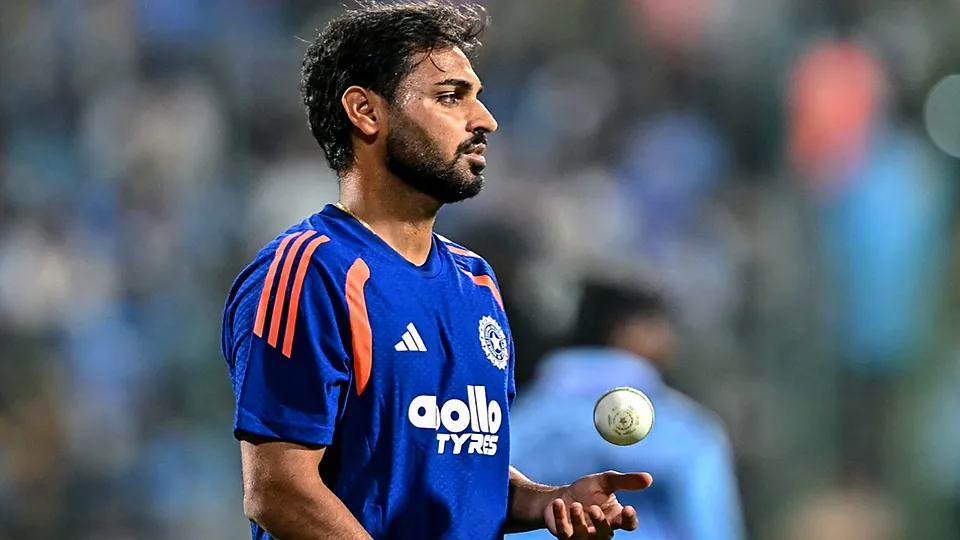
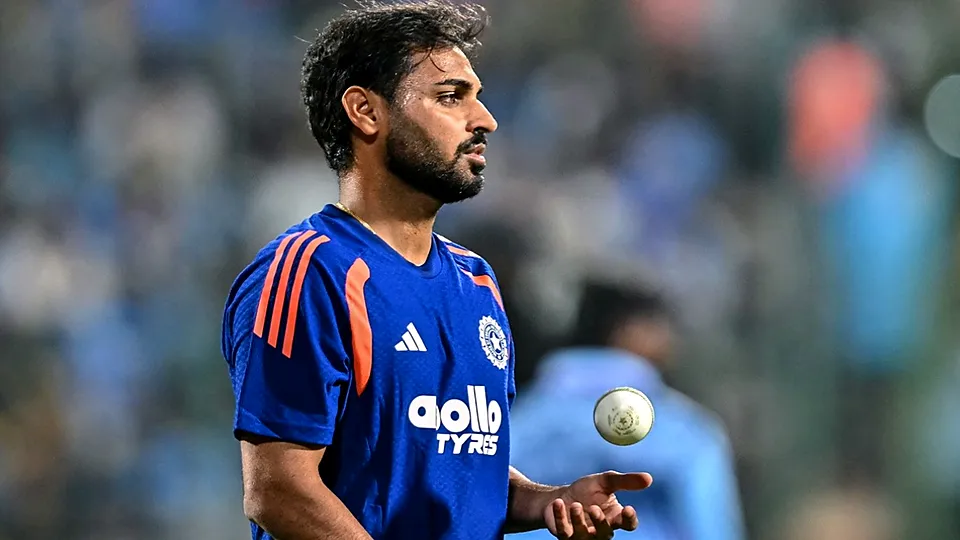
The toss at 8:30 PM IST in Christchurch swung in New Zealand’s favour, and the dew factor promised a slow‑down after the 12th over. The surface, a green‑topped track with a thin layer of moisture, resembled a classic Wellington wicket – low bounce, skiddy hard length, and a seam that whispered at 130 km/h. Bhuvneshwar Kumar’s eyes lit up the moment the umpire raised the white flag; he loves a bit of swing on a sticky red‑soil track.
Impact Player Gambles in the Kiwi Conditions
India’s camp announced an Impact Player option before the first over – a move that feels like a tactical over‑reach to some. The rule was introduced to give teams a safety net, but in Christchurch it could backfire. If the new ball does the talking, a fifth bowler with a skiddy length might be the secret sauce. Yet the risk is real: an over‑use of the Impact Player can leave the side short‑handed when the dew sets in, and the opposition’s wrist‑spinners start grinding.
Contrary to popular belief, the seam‑friendly conditions are not a free‑ride for Bhuvi’s pace brigade. The green‑top will reward that skiddy length, but only if the bowler can swing the ball late. A few overs of wide‑outside‑off and the ball will sit on the pitch, offering the batsmen a free run‑a‑ball. The Impact Player gamble should therefore target a bowler who can mix a tight line with a few slower deliveries – a true utility piece rather than a fireworks act.
Left‑Right Combos Vs Wrist‑Spin: A Forgotten Weapon
New Zealand’s spin attack, led by a crafty left‑arm orthodox, thrives on a short‑length delivery that bites at the foot of the pitch. Deploying a left‑right batting pair at the top of the order can nullify that threat. The left‑hander forces the spinner to adjust his angle, while the right‑hander can exploit the rough outside the off‑stump.
Take the case of Rahul Tripathi (L) and Ruturaj Gaikwad (R). Tripathi’s ability to rotate the strike with the paddle‑sweep can stretch the field, and Gaikwad’s aggressive sweep can turn a good length into a boundary. The combination also plays well with the boundary dimensions at Hagley Oval – 68 metres on the leg side, 70 metres on the off side. Those extra metres mean a well‑timed sweep can clear the rope without risking a catch.
Boundary‑Percentage and the IPL Celebrity & Sports Buzz Factor
Boundary‑percentage in the last two IPL seasons has hovered around 38 % on similar-sized grounds. In Christchurch, the outfield is slightly slower, but the crowd noise – amplified by IPL celebrity appearances – can push the batting side into a higher risk zone. The buzz around Bollywood‑cricket crossovers has turned the stadium into a stage, and players feel the pressure to entertain as much as to win.
When a celebrity sits in the front row holding a massive banner for a franchise, the batsman’s nerves tighten. A quick‑fire six becomes a social media meme, a dot ball turns into a headline. The impact on the scoreboard is measurable: teams that lose the first 10 runs in the powerplay under such glare often slide to 5‑6 % lower run‑rate.
Pre‑toss XI Dilemmas: Who Gets the Shirt?
The selection meeting in Jaipur was a war of words. On one side, the Ranji grind advocates – veterans who earned their stripes in domestic cricket – pushed for a five‑bowler attack featuring Ashwin, Shardul, and Bhuvi. On the other, the data‑driven crowd wanted an extra all‑rounder to exploit the Impact Player rule.
Ultimately, the final XI read: Bhuvneshwar, Rahul, Ruturaj, Shubman, and Shreyas at the top; Ashwin, Shardul, and Rahul (again) in the middle; and the Impact Player slot reserved for a left‑arm spinner who can bowl a third‑up delivery. The decision feels odd – a left‑arm spinner in a seam‑friendly setup – but the plan is to use him in the death overs when the dew makes the ball skiddy.
Is this a masterstroke or a gamble? The answer will lie in the 14th over when the new ball becomes a soft, swinging sphere. If the Impact Player can keep the runs down, India will have a clean path to chase. If not, the opposition’s wrist‑spin will dominate the middle overs, and the boundary‑percentage will plummet.
Final Thoughts: The Fine Line Between Strategy and Show
New Zealand’s conditions are a double‑edged sword – they love swing but punish over‑reliance on pace. The Impact Player rule adds a layer of strategic depth, but it also opens the door for mis‑calculation. Left‑right batting pairs remain the simplest answer to wrist‑spin, especially when the boundary dimensions favour a well‑timed sweep.
Meanwhile, the IPL celebrity & sports buzz continues to turn every run into a headline, every wicket into a trending hashtag. For the Indian side, the challenge is not just to adapt to the green‑top track, but to play through the glare of fame. When the final ball whistles, the scoreboard will tell whether the gamble paid off – or whether the buzz drowned out the skill.
Related coverage
- IPL Celebrity Buzz: Does Australia Toss Break the BBL India Dream?
- Impact Player Tactics, Flat Pitches & Iyer’s Dilemma – IPL Celebrity & Sports Buzz Stirring Jaipur Scouts

Updated 2026-10-26 · Instant Rupee Deposits & 60s Withdrawals · 24/7 Support.
Access Official AloudDigest Portal →Executive Sports Editor · Mumbai Desk
Harsh Bhatia has covered Indian cricket and digital sports from Mumbai for over a decade. At AloudDigest (aloudfashion.com), he leads investigative coverage on ipl celebrity & sports buzz, live match dynamics, and tournament strategy.
Reader Discussion & Match Reactions (7)4.8★ Community (7 Comments)
Verified Indian cricket reader perspectives & tactical debate on aloudfashion.com
The 8:30 PM IST toss and dew after the 12th over are the real numbers here; Christchurch’s 130 km/h seam track makes Bhuvi’s new-ball swing a short window. If India burn the Impact Player early, the fifth-bowler math gets ugly once wrist-spin takes over.
Calling Christchurch a classic Wellington wicket is exactly the kind of shorthand that hides risk: a green top at 130 km/h can make Bhuvi look lethal, but India’s Impact Player safety net may encourage a fifth bowler who leaks when the ball stops seaming. Selectors should ask whether that gamble is worth it.
The article’s fifth-bowler/Impact Player debate echoes Ranji/SMAT selection: a skiddy state seamer only survives Christchurch if he swings it late, not because the green top whispers at 130 km/h. India’s pathway should reward that skill, not IPL celebrity.
The 12th-over dew marker changes the Impact Player calculus: India need the fifth bowler to hold a tight line after the ball stops seaming, not chase 130 km/h swing. That’s a measurable role, and it matters more than the headline’s IPL buzz.
If Santner’s surface is really a Wellington-style green top, then praising Bhuvi before the toss is premature; the article itself says the seam-friendly conditions aren’t a free ride. The bigger risk is India’s Impact Player becoming a fifth-bowler patch job when dew and wrist-spin arrive after the 12th over.
The left-right combo versus wrist-spin section is the useful bit: state-league batters who sweep and rotate strike matter more after dew than an IPL-style cameo. India’s Impact Player should be a bowler who can also field, not just a 130 km/h green-top specialist.
@Saurabh_NRR The 8:30 PM IST toss point cuts both ways: Bhuvi’s new-ball swing may only matter before the dew, and the article’s warning about wide-outside-off deliveries sitting up means the fifth bowler must mix slower balls. Santner’s green-top read could tilt if India overuse the Impact Player.